
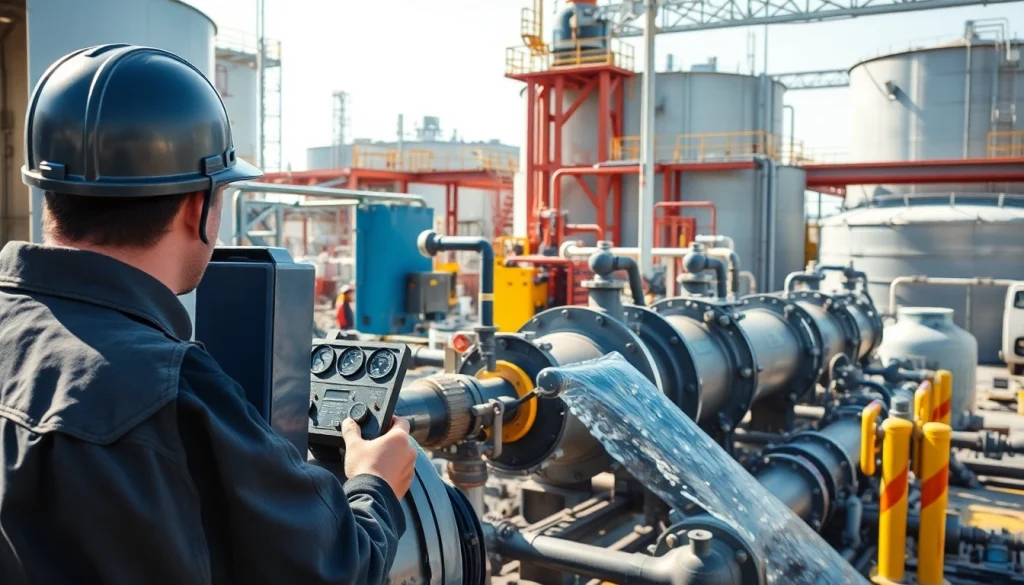
Understanding Industrial Water Transfer Services
What Are Industrial Water Transfer Services?
Industrial water transfer services are specialized solutions designed to facilitate the movement of large volumes of water from one location to another, primarily within industrial settings. This service is crucial for various applications, including construction, mining, and agriculture, where substantial water resources are necessary for operations. These services ensure that businesses have a reliable and efficient water supply, tailored to their specific operational demands.
Utilizing modern technology and logistics expertise, companies offering industrial water transfer services handle everything from sourcing water to transportation and distribution, optimizing the entire process to meet stringent operational timelines while maintaining cost-effectiveness.
Key Applications Across Industries
Industrial water transfer services play a vital role in numerous sectors. Here are some of the primary applications across various industries:
- Construction: Water is essential for dust suppression, concrete mixing, and site sanitation. Efficient water transfer helps meet construction timelines and regulatory requirements.
- Oil and Gas: Water is used in hydraulic fracturing and other extraction methods. Reliable water transfer solutions ensure that operations can proceed without costly delays.
- Agriculture: Farmers depend on water transfer services for irrigation, livestock watering, and crop cooling. These services help optimize land productivity, especially in arid regions.
- Mining: In mining operations, water supports ore extraction, dust suppression, and equipment cooling. Effective water transfer enhances operational efficiency in remote locations.
- Power Generation: Water is crucial for cooling in thermal power plants. Managing water supply efficiently can lead to significant energy savings.
Benefits of Professional Water Transfer Solutions
Engaging professional water transfer services offers numerous benefits, including:
- Expertise: Professionals bring specialized knowledge and experience, ensuring compliance with regulations and safety protocols.
- Efficiency: Optimized logistics and planning minimize downtime and increase productivity.
- Cost-Effectiveness: Bulk water transfer can significantly reduce costs compared to smaller deliveries.
- Scalability: Services can be tailored to meet both small-scale and large-scale water transfer needs, accommodating varying project sizes.
- Safety: Trained personnel are equipped to handle potential hazards associated with water transportation, ensuring safe and compliant operations.
Choosing the Right Industrial Water Transfer Services
Evaluating Service Providers
Selecting an appropriate water transfer service provider requires careful consideration. Evaluate potential providers based on the following criteria:
- Experience: Look for companies with a proven track record in industrial water transfer. Familiarity with local regulations and logistics enhances reliability.
- Equipment: Assess the quality and suitability of their equipment. Advanced technology can lead to more efficient and safer operations.
- Flexibility: Providers that offer customizable solutions can adapt to changing project demands and specific customer needs.
- Safety Record: A strong safety culture underscores a commitment to regulatory compliance and risk management.
- Customer Support: Quality service includes accessible support channels for addressing queries and troubleshooting issues.
Essential Equipment and Technology Used
To ensure efficient and effective water transfer, providers utilize various types of equipment and technology:
- High-Capacity Pumps: Critical for transporting large volumes of water quickly and efficiently.
- Flexible Pipelines: Used to navigate varying terrains and landscapes to deliver water where it’s needed most.
- Water Filtration Systems: Ensures that the transferred water meets quality standards, particularly in sensitive industries like agriculture and pharmaceuticals.
- Flow Meters: Essential for monitoring water volume transferred, vital for billing and compliance reporting.
- Remote Monitoring Systems: Allow real-time tracking of water supply and equipment performance, thereby enhancing operational oversight.
Customizing Solutions to Fit Your Needs
The effectiveness of water transfer services often hinges on how well they are tailored to specific client needs. Customization may include:
- Volume Requirements: Assessing the specific volume of water needed for operations to optimize logistics.
- Site Conditions: Custom plans may be necessary for unique environmental conditions or geographic constraints.
- Timing: Adjusting service schedules to meet operational timeliness and reduce impact on production.
- Regulatory Compliance: Ensuring that customized solutions adhere to specific industry regulations and standards effectively.
Regulations and Compliance in Water Transfer
Understanding Water Transfer Regulations
Operating within the regulatory framework is crucial for water transfer services. Various laws and regulations dictate how water can be sourced, transported, and discharged. Understanding these legal requirements involves:
- Local Water Rights: Familiarity with rights and permits needed for sourcing water from groundwater or surface water sources.
- Environmental Regulations: Compliance with local, state, and federal environmental protection laws, including potential impact assessments.
- Operational Standards: Adhering to operational protocols and safety measures as mandated by regulatory bodies.
Ensuring Environmental Compliance
Environmental compliance should be a top priority for any industrial water transfer service provider. Achieving this involves:
- Assessing Impact: Conducting environmental impact assessments to understand potential effects on local ecosystems.
- Mitigation Strategies: Developing strategies to minimize negative environmental impacts, such as habitat disruption or water contamination.
- Waste Management: Implementing responsible waste management practices to handle any by-products resulting from water transfer processes.
Best Practices for Safety and Compliance
Establishing a robust safety and compliance framework is essential for any industrial water transfer operation. Some best practices include:
- Regular Training: Ensuring that employees undergo frequent safety and compliance training to stay current with regulatory requirements and safety techniques.
- Emergency Preparedness: Developing and communicating emergency response plans to manage potential accidents or environmental hazards.
- Documentation: Keeping comprehensive records related to water use, permits, and compliance activity for accountability and transparency.
Challenges in Industrial Water Transfer Services
Common Issues and Their Solutions
While industrial water transfer services are indispensable, several challenges can arise:
- Equipment Failures: Regular maintenance and audits can prevent unexpected downtime.
- Logistical Hurdles: Careful planning and scheduling can mitigate transportation obstacles, such as traffic delays or inclement weather conditions.
- Regulatory Changes: Staying informed about changes in laws and regulations is vital to ensure ongoing compliance and avoid penalties.
Impact of Weather and Seasonal Changes
Weather conditions significantly influence water transfer operations. Adverse weather can limit access and operational efficiency. To mitigate these risks:
- Weather Forecasting: Incorporating weather forecasts into project planning allows for adjustments in logistics.
- Flexible Scheduling: Developing contingency plans for flexible scheduling enables operations to adapt to sudden weather changes.
Assessing Equipment Maintenance Needs
Preventative maintenance is crucial in ensuring the reliability of water transfer equipment. Establish a systematic approach by:
- Routine Inspections: Conducting regular inspections to detect wear and tear before they lead to significant failures.
- Maintenance Logs: Keeping detailed logs of maintenance and repairs to inform future service intervals and equipment needs.
Maximizing Efficiency in Water Transfer Operations
Implementing Best Practices for Performance
Maximizing the efficiency of water transfer operations involves the implementation of various best practices, such as:
- Streamlined Processes: Analyzing current processes to identify bottlenecks and streamline operations enhances efficiency.
- Technology Utilization: Employing advanced technologies, such as GPS tracking and automated systems, can improve operational efficiency and data accuracy.
Monitoring and Measuring Success
Regular monitoring and analysis provide insights into the performance of water transfer services. Consider using key performance indicators (KPIs) like:
- Water Volume Transferred: Tracking the actual volume of water moved compared to targets can help measure operational performance.
- Response Time: Measuring the time from request to delivery can provide insight into service efficiency and areas for improvement.
Innovations Shaping the Future of Water Transfer Services
Emerging technologies and innovative practices are reshaping water transfer services, presenting new opportunities for increased efficiency and sustainability. Key innovations include:
- Smart Sensors: IoT-enabled sensors that monitor water levels, flow rates, and environmental conditions in real-time enhance decision-making.
- Drones: Utilizing drones for aerial assessments and monitoring can offer real-time data on water sources and distribution logistics.
- Eco-Friendly Equipment: Developing equipment designed for reduced environmental impact promotes sustainability in industrial water transfer operations.