Understanding the Benefits of Compostable Paper Plates
In an era where environmental sustainability is becoming increasingly critical, compostable paper plates represent an innovative solution that bridges convenience with eco-friendliness. These plates offer a practical alternative to traditional disposable dinnerware, making them ideal for a variety of occasions, from casual picnics to formal events. This article explores the multifaceted benefits provided by compostable paper plates, encompassing their nature, environmental advantages, health considerations, and more.
What Are Compostable Paper Plates?
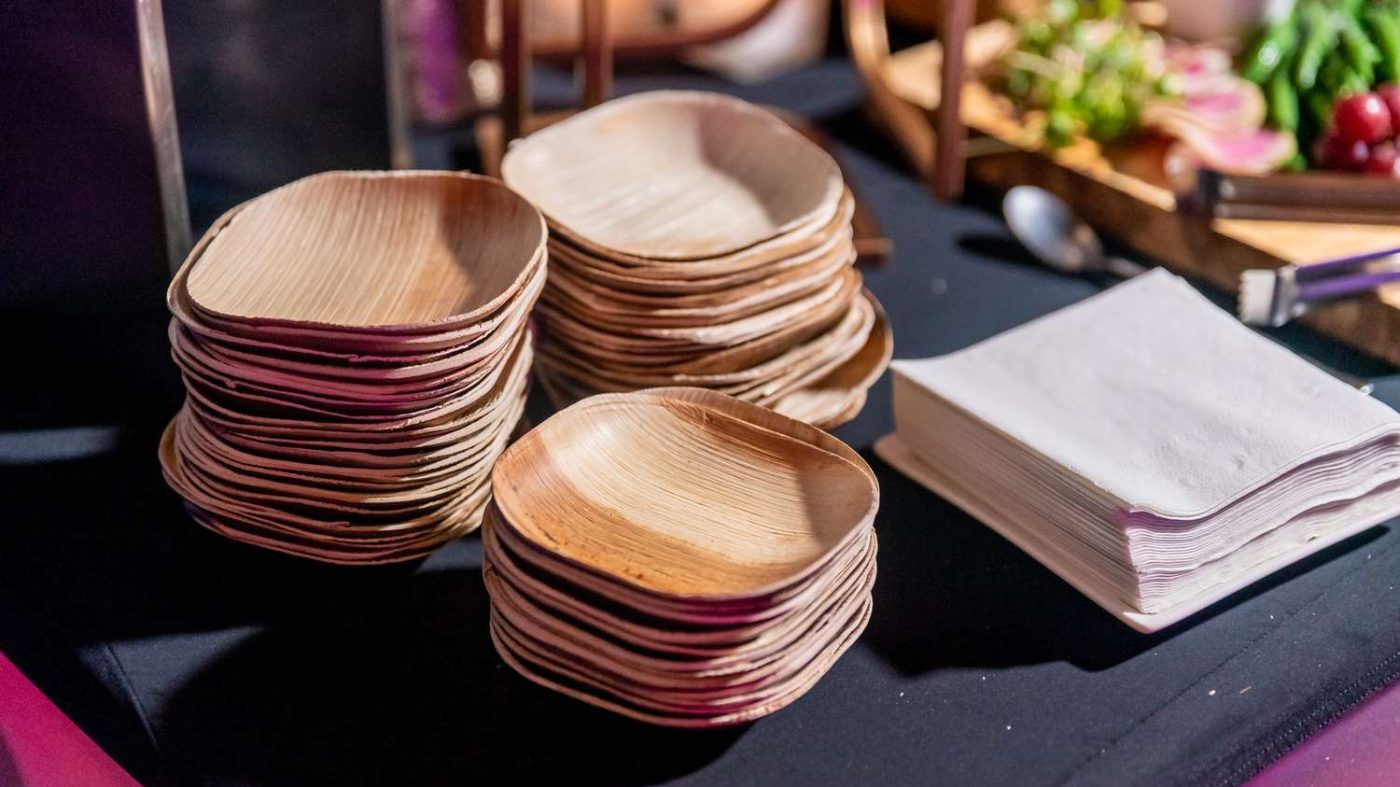
Compostable paper plates are made from renewable resources, primarily derived from natural plant materials such as sugarcane, bamboo, or wheat straw. Unlike conventional plates that contribute to landfill waste, compostable plates are designed to break down into organic matter when properly disposed of in a composting environment. This decomposition process enriches the soil and minimizes environmental impact. It’s important to note that these plates should not contain any plastic lining or chemical additives for them to be deemed compostable.
Environmental Advantages
Using compostable paper plates fosters a healthier environment through various benefits:
- Reduction of Waste: Traditional disposable plates contribute significantly to landfill waste. Compostable plates decompose, reducing waste accumulation.
- Lower Carbon Footprint: The production of compostable plates typically requires less energy and resources compared to plastic-based alternatives, lowering greenhouse gas emissions.
- Soil Enrichment: When composted, these plates contribute nutrients back to the earth, enhancing soil health and promoting sustainable ecosystems.
- Support of Renewable Resources: Sourcing materials from renewable resources helps reduce dependency on fossil fuels while promoting sustainable agricultural practices.
Health and Safety Considerations
Compostable paper plates pose fewer health risks compared to conventional plastic or Styrofoam plates. They typically do not leach harmful chemicals into food, making them a safer choice for serving meals. Many compostable products are also free from BPA and phthalates, common chemicals known for their adverse health effects. When selecting compostable plates, consumers should look for certifications indicating safe materials and manufacturing processes.
Choosing the Right Compostable Paper Plates for Your Needs
Selecting the appropriate compostable paper plates involves understanding different types available, their key features, and where to purchase them.
Types of Compostable Paper Plates Available
There are several types of compostable paper plates, each suited for different applications:
- Sugarcane Plates: Made from bagasse, the fibrous material remaining after extracting juice from sugarcane, these plates are sturdy and designed for hot and cold foods.
- Bamboo Plates: These lightweight plates provide a natural aesthetic and are ideal for more formal settings. They are durable and can handle a variety of foods.
- Wheat Straw Plates: Offering a unique texture, wheat straw plates are another sustainable option that is both biodegradable and compostable.
Key Features to Look For
When choosing compostable paper plates, consider the following features:
- Certification: Look for BPI (Biodegradable Products Institute) or ASTM D6400 certifications, which signify compliance with compostability standards.
- Durability: Ensure plates can withstand heat and moisture, particularly for serving hot or liquid foods.
- Size Variety: Select plates in sizes that meet your specific needs, ranging from small appetizer plates to large dinner plates.
- Design and Aesthetic: Consider options that suit the event theme, such as elegant designs for weddings or playful styles for children’s parties.
Where to Purchase Compostable Paper Plates
Compostable paper plates can be found in various locations, including:
- Online Retailers: Several e-commerce platforms offer a broad selection of compostable plates, often with customer reviews to aid in your decision.
- Supermarkets and Grocery Stores: Many large grocery stores carry eco-friendly disposable products, often in their household or party supplies sections.
- Specialty Eco-Stores: Stores dedicated to sustainable products typically have a curated selection of compostable plates.
Innovative Ways to Use Compostable Paper Plates
Compostable paper plates offer versatility beyond ordinary dining. Here are some unique applications:
Perfect for Parties and Events
Compostable paper plates are perfect for celebrations, including birthdays and holidays. They provide an eco-friendly option that doesn’t skimp on style or functionality. Consider thematic designs and color schemes to enhance the overall event aesthetic.
Compostable Paper Plates for Picnics and Outdoor Gatherings
Whether at a park or beach, compostable plates are an excellent choice for picnics. Their lightweight nature makes them easy to transport, and after a fun day outside, you can easily compost them without worrying about waste management.
Eco-Friendly Wedding Decor Ideas
Utilize compostable paper plates as part of your wedding decor. They can serve as elegant dinnerware, and their natural materials complement rustic and garden-themed weddings. Customize them with eco-friendly designs to match your wedding’s personal touch.
Best Practices for Using and Disposing of Compostable Paper Plates
To maximize the benefits of compostable paper plates, follow these disposal and composting practices.
How to Properly Dispose of Used Plates
Ensure that used compostable paper plates are free from food contamination as much as possible before disposal. They should ideally be placed in commercial compost bins. If in a home setting, follow local composting guidelines, as some municipalities may have specific rules.
Composting at Home: A Simple Guide
Creating a home composting system is straightforward. Start by selecting a compost bin to suit your space. Layers of compostable waste, including plates, food scraps, and yard waste, should be alternated to enhance aeration. Keep the compost moist but not wet to facilitate decomposition.
Understanding Compost Facility Requirements
If using a commercial compost facility, familiarize yourself with their policy on accepted materials. Some facilities may have specific guidelines regarding types of plates, making it crucial to choose products that are fully compliant.
FAQs About Compostable Paper Plates
Are compostable paper plates really compostable?
Yes, when made from 100% natural materials without plastic or wax coatings, these plates can decompose into organic matter in appropriate composting environments.
What sizes do compostable paper plates come in?
Compostable paper plates are available in a variety of sizes, typically ranging from small 6-inch plates for appetizers to larger 10- or 12-inch plates for main courses.
Can I use compostable paper plates for hot foods?
Yes, many compostable paper plates are designed to be heat-resistant, making them suitable for serving hot foods without compromising their integrity.
How long do compostable paper plates take to decompose?
Compostable paper plates can take anywhere from 90 to 180 days to decompose in a commercial composting facility, depending on the conditions.
Are compostable paper plates more expensive than regular plates?
While they can be slightly more expensive than traditional disposable plates, the environmental benefits and health safety of compostable options provide significant value.