
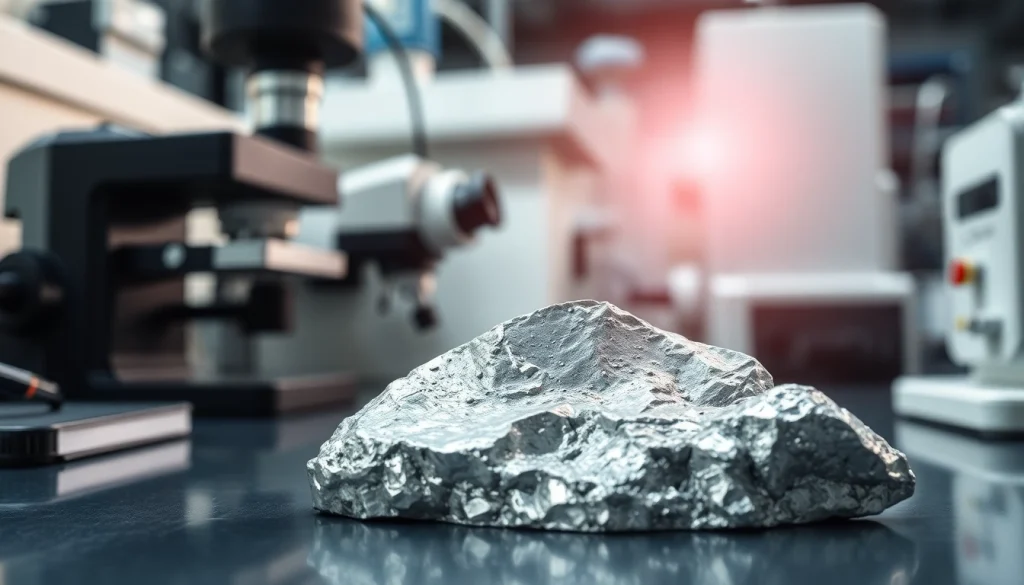
What is Beryllium?
Beryllium is a fascinating chemical element with the symbol Be and atomic number 4. It is classified as an alkaline earth metal and is renowned for its remarkable combination of strength and lightweight properties, which makes it an exceptional choice for a variety of applications. For a deeper dive into the characteristics and uses of beryllium, you can visit beryllium resources.
Chemical Properties of Beryllium
Beryllium is notable for its unique chemical properties. It is highly reactive, particularly at elevated temperatures, and reacts with halogens, forming various compounds. As a divalent metal, it readily loses its two outermost electrons, resulting in a +2 oxidation state. Beryllium’s electron configuration is [He] 2s², indicating its placement among the alkaline earth metals. It does not occur in its free state in nature but typically exists as a component of minerals such as beryl and bertrandite.
Physical Characteristics
In terms of physical properties, beryllium is a steel-gray, hard, strong, and brittle metal with a melting point of 2,348°F (1,287°C). Its density is lower than most metals, measuring around 1.85 g/cm³, making it one of the lightest metals available. Beryllium exhibits excellent thermal stability and can withstand higher temperatures, far advancing its usability in construction and manufacturing sectors.
Occurrence and Extraction
Beryllium is not found in its pure form in nature but is extracted mainly from beryl, which is a silicate mineral consisting of beryllium aluminum cyclosilicate. The extraction process involves crushing the ore, followed by treatment with sulfuric acid to produce beryllium hydroxide, which is further purified through various chemical processes. Due to its rarity and the complexity of its extraction, beryllium has a relatively high market price, impacting its availability for commercial use.
Applications of Beryllium
Beryllium’s unique properties lead to a variety of applications across several industries, thanks to its light weight, high thermal conductivity, and resistance to corrosion.
Industrial Uses
In industrial settings, beryllium is primarily utilized in the manufacture of aerospace structures, military weaponry, and various components in the automotive industry. Its use in beryllium copper alloys, which combine high strength with excellent electrical and thermal conductivity, has made it invaluable in electrical applications, including connectors and switches.
Aerospace and Defense
In the aerospace and defense sectors, beryllium plays a pivotal role in manufacturing critical components for spacecraft, satellites, and military aircraft. Its lightweight yet strong properties contribute to improved fuel efficiency and overall performance. Additionally, beryllium’s ability to withstand extreme temperatures makes it ideal for use in environments where durability is essential.
Electronics and Telecommunications
Within electronics and telecommunications, beryllium’s outstanding conductivity makes it a crucial element in semiconductors and high-performance electronic devices. The metal is often used in components such as mirrors for high-energy lasers and in the production of precision instruments, where weight and resistance to thermal expansion are critical factors.
Health Risks Associated with Beryllium
While beryllium has many beneficial applications, exposure to the element poses potential health risks, particularly in occupational settings where handling of the metal is prevalent.
Understanding Beryllium Sensitization
Beryllium sensitization occurs when the immune system reacts to beryllium exposure, leading to an increased likelihood of developing chronic beryllium disease (CBD). Sensitization can occur without respiratory symptoms, making it difficult to diagnose. Regular monitoring for symptoms and exposure control measures are critical in workplaces where beryllium is present.
Chronic Beryllium Disease
Chronic beryllium disease is a serious lung condition caused by exposure to beryllium dust or fumes. Symptoms include coughing, shortness of breath, and fatigue, which can significantly impair quality of life. Early diagnosis and intervention are paramount to managing the disease, and affected individuals may require long-term medical care to mitigate respiratory issues.
Workplace Regulations and Safety Measures
Given the health risks associated with beryllium, regulations from organizations like the Occupational Safety and Health Administration (OSHA) are in place to protect workers. These include strict exposure limits, mandatory health screenings, and protocols for handling beryllium safely. Employers are encouraged to implement comprehensive safety programs to reduce the risk of exposure and promote worker health.
Environmental Impact of Beryllium
The mining and processing of beryllium can have significant environmental impacts, necessitating careful management and regulatory frameworks to protect ecosystems.
Beryllium Mining Practices
Mining beryllium requires careful practices to minimize environmental damage. Techniques such as chemical leaching can result in pollution of nearby water bodies and soils. Implementing sustainable mining practices and land reclamation efforts can mitigate these risks, alongside regulatory compliance to ensure environmental protection during operational phases.
Toxicity and Ecological Concerns
The toxicity of beryllium, particularly in its particulate forms, raises ecological concerns. Accumulation in soil and groundwater can adversely affect wildlife and plant health. Regular monitoring and risk assessments are critical for minimizing ecological impacts and protecting biodiversity in areas surrounding mining operations.
Regulatory Framework
To safeguard both public health and environmental integrity, various regulations govern the mining and use of beryllium. National and international bodies impose stringent guidelines regarding emissions, exposure limits, and waste management. Compliance with these regulations is essential for promoting sustainable practices within the beryllium industry.
Future of Beryllium Usage
The landscape for beryllium usage is evolving with technological advancements and emerging health solutions, paving the way for its increased relevance in various sectors.
Emerging Technologies
Innovative applications of beryllium are emerging in technologies such as advanced robotics and high-performance computing. Research into new alloys and composites continues, expanding beryllium’s potential uses in cutting-edge technologies. The development of beryllium-infused materials promises to enhance product performance through increased durability and reduced weight.
Potential Health Innovations
Ongoing research into the health effects of beryllium sensitization and chronic beryllium disease aims to develop better diagnostic tools and treatments. Advancements in medical technology could lead to improved understanding and management of these health risks, influencing future regulatory and safety practices in industries utilizing beryllium.
Market Trends and Forecast
The market for beryllium is expected to grow with continued demand in aerospace, defense, and electronics. Innovations in mining and processing techniques alongside sustainable practices may enhance the supply chain’s resilience while managing environmental and health-related concerns. Stakeholders must remain engaged with market trends and regulatory shifts to responsibly navigate the evolving landscape of beryllium utilization.
Frequently Asked Questions
What are the primary uses for beryllium?
Beryllium is primarily used in aerospace, defense, electronics, and manufacturing due to its lightweight and high-strength properties.
How does beryllium affect human health?
Exposure to beryllium can lead to sensitization, chronic beryllium disease, and other respiratory issues. Safety measures are crucial in workplaces handling beryllium.
Is beryllium toxic?
Yes, beryllium is considered toxic, especially when inhaled as dust or fumes, potentially causing severe health problems.
How is beryllium extracted?
Beryllium is extracted from minerals such as beryl through crushing and chemical processes involving sulfuric acid.
What regulations exist for beryllium use?
Various regulations, including those by OSHA, set exposure limits and safety protocols for handling beryllium in workplaces to protect workers.