
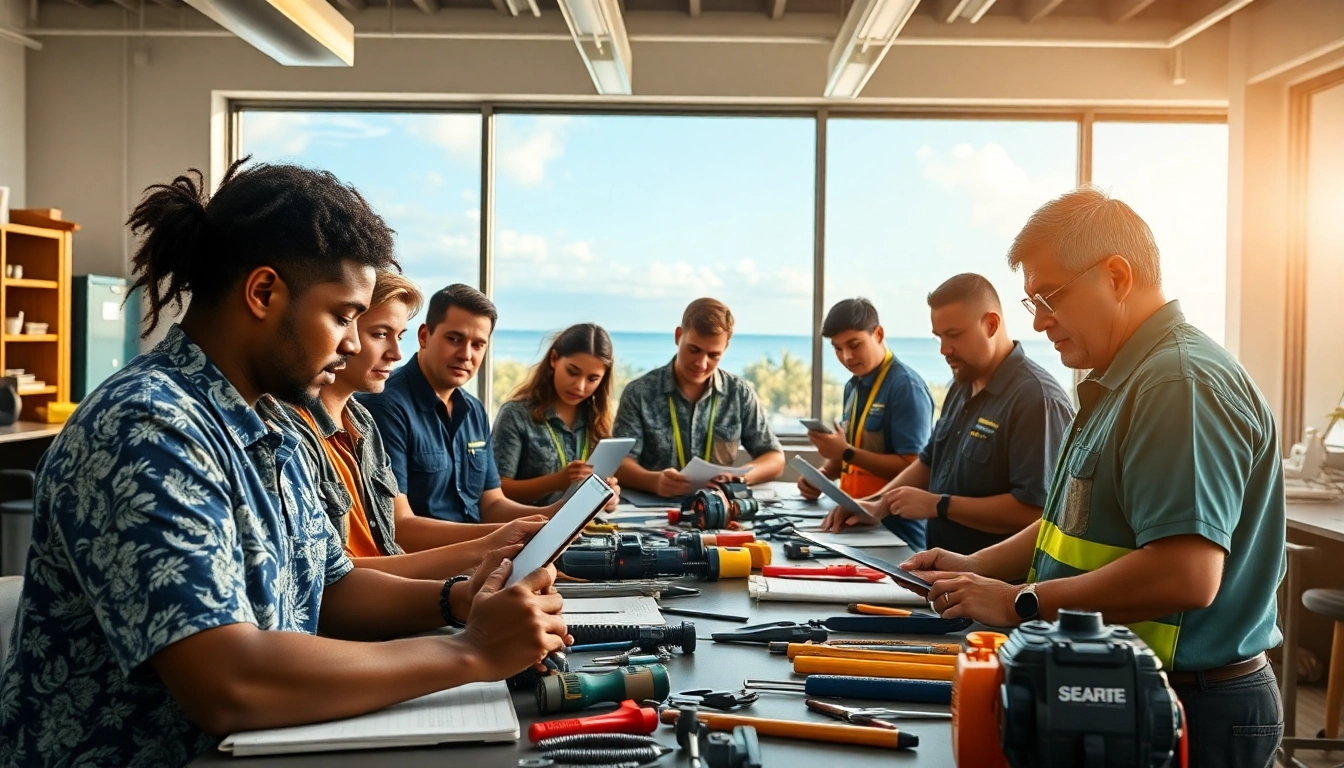
Understanding Trade Schools in Hawaii
Trade schools, also known as vocational or technical schools, are educational institutions that specialize in teaching specific skills for various careers. In Hawaii, these schools provide essential training for high-demand industries, ensuring that students not only receive an education but also develop the competencies required by employers. As more students and professionals seek non-traditional educational paths, the significance of trade schools in Hawaii has grown considerably, catering to a diverse range of interests and career goals.
What are Trade Schools?
Trade schools focus on providing practical, hands-on training and education that equip students with the skills they need to enter specific careers. Unlike traditional four-year colleges, trade schools typically offer shorter programs lasting from a few months to two years, which culminate in certificates or diplomas. This education is geared towards preparing students for immediate employment in various fields, such as healthcare, automotive, construction, culinary arts, and information technology.
The Importance of Vocational Education in Hawaii
The vocational education landscape is critical for Hawaii’s economy, as it addresses the growing need for skilled labor across numerous sectors. With the state’s unique challenges—including geographical isolation and a high cost of living—vocational training provides students with the capacity to enter stable professions that offer good wages and career advancement opportunities. Furthermore, trade schools play a vital role in promoting economic growth by developing a workforce that meets local industry demands, thus reducing dependency on imported labor.
Types of Programs Offered in Hawaii’s Trade Schools
Hawaii’s trade schools offer a diverse range of programs tailored to meet the needs of the local job market. Some common fields of study include:
- Healthcare: Programs such as Certified Nursing Assistants (CNA), medical assisting, and CPR training prepare students for essential roles in the healthcare sector.
- Construction and Skilled Trades: Programs in HVAC, carpentry, plumbing, and electrical work focus on the technical skills required for construction and maintenance jobs.
- Culinary Arts: Culinary schools in Hawaii train students in various cooking techniques and kitchen management skills, catering to the tourism and hospitality industries.
- Information Technology: IT training covers areas such as computer networking, cybersecurity, and software development, preparing students for careers in an increasingly digital world.
Top Trade Schools to Consider in Hawaii
With numerous options available, it’s essential to consider some of the most reputable trade schools in Hawaii that offer quality education and training programs.
Honolulu Community College: A Leader in Trades Education
Honolulu Community College (HCC) is recognized for its comprehensive range of vocational programs. HCC offers training in applied trades, including automotive technology, carpentry, electrical installation, plumbing, and welding. The curriculum emphasizes hands-on experience, ensuring that graduates are job-ready upon completion. Additionally, HCC has strong partnerships with local industries, granting students access to apprenticeship opportunities and job placements.
Hawaiian Trades Academy: Cultural and Skill Enrichment
The Hawaiian Trades Academy is dedicated to providing trades education that respects and incorporates Native Hawaiian culture. They offer programs in construction trades, culinary arts, and automotive technology, taught by industry professionals committed to sharing their knowledge and experience. This school not only emphasizes technical skills but also promotes cultural enrichment and financial empowerment among its students.
Specialized Programs at Kauai Community College
Kauai Community College is well-known for its specialized programs tailored to local market needs. With a focus on agriculture, culinary arts, and technology, KCC provides training that directly supports employment opportunities in the region. The college also emphasizes sustainability, preparing students to work in industries that prioritize environmental consciousness.
Costs and Financial Aid for Trade Schools in Hawaii
Understanding the financial aspects of attending a trade school in Hawaii is crucial for prospective students. Tuition costs can vary significantly between private and public institutions, and it is essential to explore available financial aid options to alleviate this burden.
Tuition Costs: Private vs. Public Trade Schools
The average tuition for private trade schools in Hawaii ranges from $15,000 to $30,000, whereas public trade schools generally charge between $6,000 and $12,000. These costs can fluctuate based on the specific program, duration, and institution. Students need to research and compare programs thoroughly to make informed decisions regarding their education investment.
Available Scholarships and Financial Aid Options
Several financial aid programs are available to assist students pursuing vocational education in Hawaii. Apart from federal financial aid, including Pell Grants and student loans, students can apply for local scholarships offered by government entities, non-profit organizations, and trade unions. Some schools also provide their scholarship programs based on merit or financial need, making vocational education more accessible to a wider audience.
How to Budget for Trade School Education
Creating a budget is vital for managing costs throughout trade school education. Students should consider the total cost, including tuition, fees, books, materials, and living expenses. By plotting out these expenses and identifying potential sources of financial aid, students can create an effective plan that helps them manage their finances without compromising their educational goals.
Real-World Outcomes: Job Opportunities After Trade School
The ultimate goal of attending a trade school is to secure meaningful employment successfully. However, students often have questions about the job market and the potential outcomes post-graduation.
Industries with High Demand for Skilled Workers
Hawaii’s economy is diverse, and there is a continuous demand for skilled workers in various industries. Key sectors include:
- Healthcare: With an aging population, healthcare professionals, including CNAs and medical assistants, are increasingly needed.
- Construction: As infrastructure projects advance, skilled trades such as electricians, plumbers, and carpenters are in high demand.
- Culinary: The hospitality sector relies heavily on trained culinary professionals to serve the island’s bustling tourism industry.
- Technology: As businesses expand their digital presence, IT professionals who specialize in cybersecurity and software development are becoming more sought after.
Success Stories: Graduates in the Workforce
Graduates of trade schools in Hawaii have found success in various industries, often moving quickly into positions with competitive salaries. Many trade schools maintain strong relationships with local businesses, facilitating job placement for their alumni. Success stories often showcase students who, after completing their programs, have secured positions that offer a living wage, enabling them to thrive as part of their communities.
Networking and Job Placement Services
Many trade schools provide their students with access to vital resources, including networking opportunities and job placement services. Connecting with industry professionals, attending career fairs, and joining local trade organizations can significantly enhance a graduate’s chances of securing employment. Institutions often host workshops and seminars that help students build essential interviewing skills, résumé writing techniques, and strategies for job searching.
Preparing for Success: Tips for Prospective Trade School Students
Choosing to attend a trade school is a significant step towards achieving career success. However, prospective students should consider several factors to maximize their educational experience and outcomes.
How to Choose the Right Trade School for Your Goals
When selecting a trade school, students should assess factors such as program offerings, school accreditation, faculty qualifications, and student support services. Researching the school’s reputation and connecting with current students or alumni can provide valuable insights to help guide decisions. Additionally, those interested in specialized fields should consider schools that have established connections within their target industry.
Essential Skills for Success in Trade Fields
Beyond technical skills in a specific trade, students should also focus on developing soft skills such as communication, teamwork, and problem-solving. These skills are critical for professional growth and are often highly valued by employers. Furthermore, adaptability and a willingness to continue learning can enhance career prospects in an ever-evolving job market.
Balancing School, Work, and Life for Optimal Learning
Many students juggle work and personal responsibilities alongside their trade school education. Creating a structured schedule that allocates dedicated study time, work hours, and relaxation can help maintain a healthy balance. Utilizing resources such as tutoring and counseling services offered by the trade schools can provide additional support, ensuring that students stay focused on their goals.