
Fly Fishing Line Troubleshooting: Common Issues and Solutions
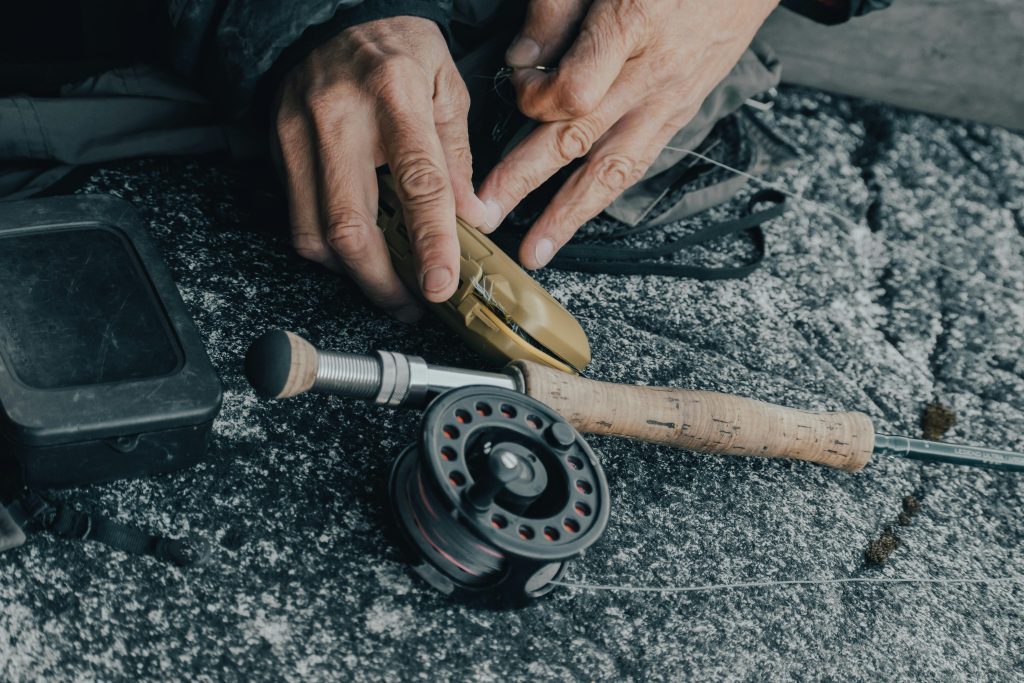
Fly fishing is a rewarding sport that combines skill, patience, and knowledge of both water and fish behavior. However, even experienced anglers can run into problems with their equipment, especially with the fly fishing line. The fly fishing line is a critical component of your setup, as it affects casting, presentation, and overall performance. Understanding common issues with fly fishing line and knowing how to troubleshoot them can save you time, improve your fishing experience, and increase your chances of landing that trophy fish.
Common Fly Fishing Line Issues
1. Line Memory
One of the most frequent issues anglers encounter with fly fishing line is line memory. Line memory occurs when your fly fishing line retains coils or kinks from being tightly wound on a reel or stored improperly. This can lead to poor casting performance, tangles, and reduced accuracy. To address line memory, you can gently warm the line using a hairdryer or by soaking it in warm water. After warming, stretch the line gradually to help it return to its natural, straight shape. Regularly coiling your fly fishing line loosely when storing it can prevent memory issues in the future.
2. Line Dirt and Debris
A dirty fly fishing line can negatively affect your casting and reduce the distance you can achieve. Dirt, sand, and other debris can build up on the line, making it sticky or rough. Cleaning your fly fishing line regularly is essential. Use a mild soap solution and a soft cloth or sponge to wipe down the line. After cleaning, dry the line completely and apply a line dressing to restore smoothness and improve casting performance.
3. Line Slippage on the Reel
Sometimes, the fly fishing line may slip on the reel spool, causing inconsistent line retrieval and casting issues. This usually happens when the line is not properly seated on the reel or if the backing line is too smooth. To fix this, make sure the fly fishing line is correctly threaded through the reel and check that the backing line is secure. Adding a small amount of tension while spooling the line can help prevent slippage.
4. Tangles and Backlashes
Tangles and backlashes are frustrating problems that many fly anglers face. These occur when the line twists or loops during casting, often caused by improper casting technique or line maintenance issues. To reduce tangles, ensure your fly fishing line is properly lubricated with line dressing and avoid overloading the rod with excessive line during casts. Regularly inspect the line for twists or kinks, and straighten any sections before casting.
5. Line Fraying and Damage
Over time, fly fishing line can become frayed or damaged due to exposure to sunlight, abrasion, or repeated casting over rough surfaces. A damaged line can break unexpectedly and ruin your fishing experience. Inspect your fly fishing line regularly for signs of wear and replace sections or the entire line if necessary. Protecting your line from UV exposure by storing it in a reel case or shaded area can extend its lifespan.
Tips for Maintaining Your Fly Fishing Line
Proper maintenance of your fly fishing line is essential for consistent performance. Here are some tips to keep your line in top condition:
- Regular Cleaning: Wipe down your line after each fishing session to remove dirt, debris, and water residue.
- Use Line Dressing: Applying a line dressing improves smoothness, prevents tangles, and extends the life of your line.
- Store Properly: Store your fly fishing line in a cool, dry place, loosely coiled on a reel or spool to prevent memory issues.
- Check for Damage: Regularly inspect the line for frays, cracks, or weak spots and replace as needed.
- Avoid Excessive Sun Exposure: UV rays can weaken fly fishing line over time, so always store your line away from direct sunlight.
Choosing the Right Fly Fishing Line
Selecting the appropriate fly fishing line for your style and target species can prevent many common issues. Consider the weight, taper, and material of the line, as each factor affects casting distance, accuracy, and presentation. Floating lines are ideal for surface fishing, while sinking lines work best for deeper water or fast currents. Matching your fly fishing line to your rod and reel ensures smooth performance and reduces the risk of tangles, slippage, or other line problems.
Conclusion
Fly fishing line issues are common but manageable with proper knowledge and care. By understanding problems like line memory, tangles, dirt buildup, slippage, and fraying, you can troubleshoot effectively and maintain peak performance on the water. Regular cleaning, proper storage, correct line selection, and routine inspection are key to avoiding most line-related problems. A well-maintained fly fishing line not only improves casting and presentation but also enhances the overall fishing experience, allowing you to focus on the joy of the sport rather than equipment frustrations. Paying attention to your fly fishing line ensures longer durability, smoother casts, and greater chances of success in every fishing adventure.