Understanding the Importance of a Fly Fishing Net
Choosing the right gear is crucial for any angler, and among the many tools required for a successful fishing trip, the Fly fishing net is invaluable. An effective net not only aids in landing fish but also plays a pivotal role in ensuring the catch’s safe release. This article delves into everything you need to know about selecting, using, and maintaining your fly fishing net to enhance your fishing experience.
Why Every Angler Needs a Quality Fly Fishing Net
The art of fly fishing requires precision, patience, and the right equipment. While rods, reels, and lures receive considerable attention, the fly fishing net often goes overlooked. A high-quality net ensures that your hard-earned catch remains secure without causing undue stress or harm. The right net can minimize damage to delicate fish and make the process of landing easier.
Moreover, a well-designed net can enhance your efficiency. On busy days when multiple catches occur, the ease of handling a responsive net can speed up the landing process, allowing you to enjoy more time fishing rather than battling with equipment.
Different Types of Fly Fishing Nets
Fly fishing nets come in various designs and materials, each serving specific purposes. Understanding the differences can guide you toward the best choice for your fishing style.
- Landing Nets: Typically larger with a shallow net bag, these nets are designed to scoop up fish just as they surface.
- Boat Nets: These are made to be used from a boat, often with longer handles for reaching fish comfortably without getting wet.
- Personal Landing Nets: Ideal for wading in streams or small bodies of water, they come in various sizes, including collapsible options for easy transport.
Materials That Make the Best Fly Fishing Net
When selecting a fly fishing net, the materials used in its construction are paramount. The right material not only affects the net’s durability but also impacts its weight, maneuverability, and the safety of the fish being caught.
Wood vs. Aluminum: Pros and Cons
Two of the most common materials for fly fishing nets are wood and aluminum. Each has distinct advantages and disadvantages.
Wood: Wooden nets are often aesthetically pleasing, with a classic look that appeals to traditional anglers. They are generally more buoyant and provide a warm feel. However, they can be heavier and more susceptible to damage from water over time.
Aluminum: Aluminum nets are lighter and more durable, with a design that can handle the rigors of fishing without degrading quickly. They are often treated to prevent rust, making them suitable for various water conditions. However, they might not have the same artistic feel as wood and can be colder to touch.
How Mesh Type Affects Fish Safety
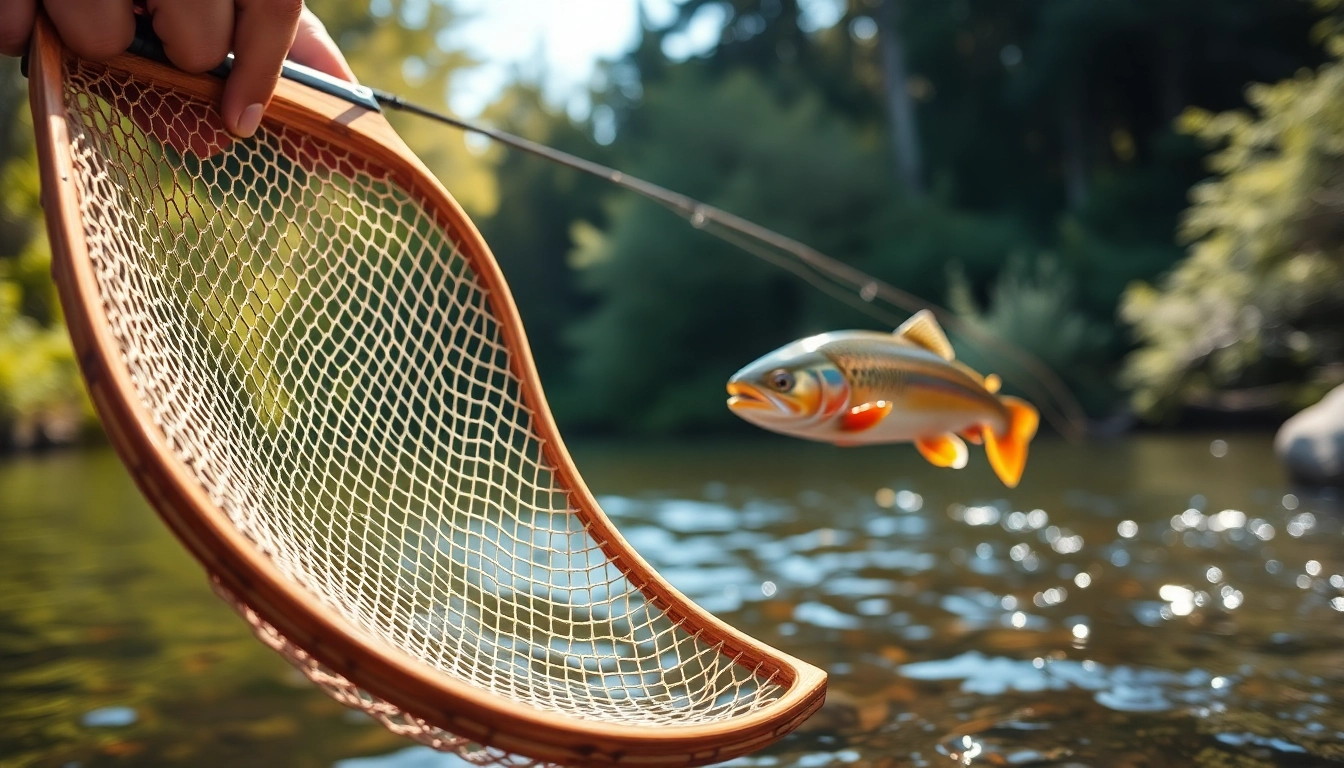
The netting material is equally crucial. Traditional nylon mesh can be rough and abrasive to fish fins and skin. In contrast, rubberized mesh has gained popularity for its fish-friendly properties. Rubber nets are less likely to cause hook-related injuries and minimize mucus loss from the fish’s skin, allowing for safer catch and release practices.
Weight Considerations for the Perfect Fly Fishing Net
The weight of a fly fishing net is another essential factor. Heavier nets can become cumbersome, particularly during long days on the water. Lightweight materials, such as carbon fiber or advanced composites, can provide the stability needed without weighing down your pack. This balance allows you to stay mobile and focused on fishing rather than fatigue from carrying excess equipment.
How to Properly Use Your Fly Fishing Net
Knowing how to properly use a fly fishing net can significantly influence your fishing success. A timely and effective landing technique ensures the fish’s safety while enhancing your angling experience.
Techniques for Safely Landing Fish
To efficiently land fish, begin by keeping the net under the water until you bring the fish close. Avoid swooping from above, which can spook the fish. Instead, angle the net in front of the fish’s direction of travel. As the fish tires, gently guide it into the net without forcing it. This technique reduces the risk of injury to the fish and ensures a smoother landing process.
Best Practices for Collecting Fish Using a Fly Fishing Net
Use your net with a gentle touch. Optimal handling minimizes stress for the fish while improving your landing effectiveness. Ensure you have the net ready before engaging with the fish. This preparation means less time needed to switch gears in the middle of a battle, thereby enhancing your chances of a successful catch.
Caring for Your Fly Fishing Net: Maintenance Tips
Proper care extends a fly fishing net’s lifespan and ensures optimal performance. After each use, rinse your net in freshwater to remove debris and minimize corrosion or wear. Store the net in a cool, dry place, and inspect it regularly for wear and tear. If it’s made of wood, occasional oiling can protect against moisture damage.
Top Brands for Fly Fishing Net in the Market
Choosing from various brands can be overwhelming. To make an informed decision, consider factors like price, design, and customer feedback.
Brand Comparison: Choosing Wisely
Brands differ not only in price but in net design and materials offered. Take the time to research clouds of options, focusing on those with a history of quality and performance. Reviews from fellow anglers can help bridge the gap between personal preferences and available choices, steering you toward a brand known for durability and user satisfaction.
Cost vs. Quality: What to Expect
Investing in a high-quality fly fishing net often means paying more upfront. However, consider that a sturdy, reliable net can offer years of service, making it more cost-efficient over time than cheaper, easily damaged alternatives. Determine your budget but also weigh the long-term benefits of a quality net.
Customer Reviews: Genuine Insights on Fly Fishing Net
Engaging with the fishing community online can yield valuable insights. Take the time to read user reviews and testimonials, focusing not just on the positive aspects but also on potential drawbacks noted by users. This feedback can reveal critical details about performance that manufacturers might not emphasize in their descriptions.
Advanced Techniques and Tricks with Your Fly Fishing Net
Mastering your fly fishing net involves more than basic usage. Using advanced techniques can improve your fishing success and overall experience.
Maximizing Your Success Rate Using a Fly Fishing Net
Understanding the behavior of fish can help you strategize better net usage. When fishing in different waters, consider fish activity patterns and adapt your landing technique accordingly. Use your net to maneuver through challenging environments, adjusting your approach based on the fish’s behavior and habitat.
Innovative Uses Beyond Fishing for Your Fly Fishing Net
While primarily designed for catching fish, fly fishing nets can serve alternative purposes. They can be beneficial for capturing small invertebrates for bait or even as a makeshift cleaner for river remnants. This versatility can enhance your fishing trips, allowing you to adapt to various situations as they arise.
How to Customize Your Fly Fishing Net for Unique Experiences
Customization can add a personal touch to your fly fishing net. DIY options like adding accents or modifying handle lengths can enhance usability and comfort. Tailoring your equipment ensures it meets your specific needs, making your fly fishing experience even more enjoyable.
Conclusion
In the world of fly fishing, every piece of equipment plays a vital role, and the significance of the fly fishing net cannot be overlooked. By understanding the types, materials, and proper usage techniques, you can enhance your fishing experience. Remember to choose wisely, maintain your net with care, and explore unique applications beyond traditional use. Elevate your angling adventure by investing in a quality Fly fishing net—your future catches will thank you.