Understanding Fireworks: Types and Uses
1. Overview of Firework Categories
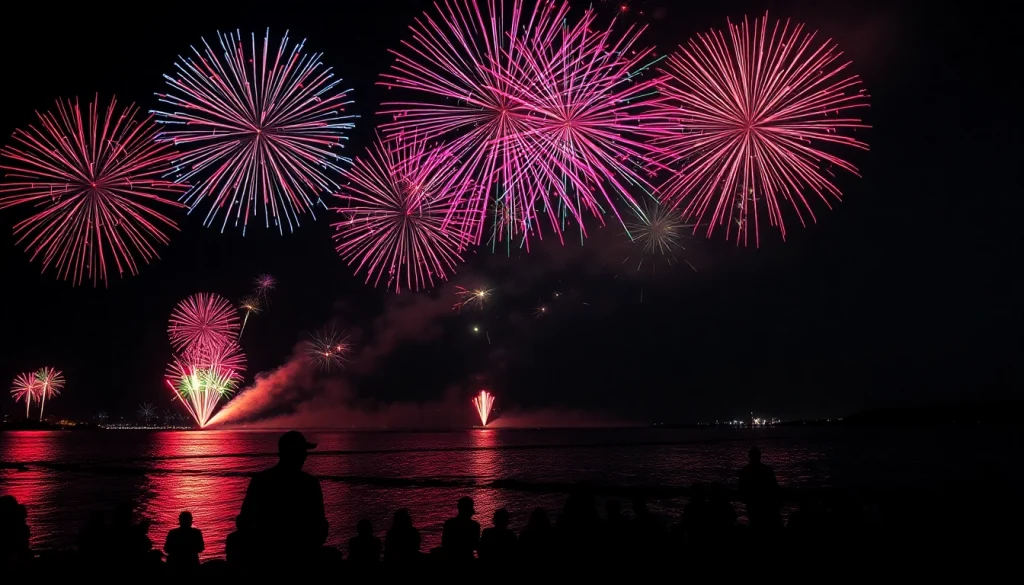
The world of fireworks is vast and varied, comprising numerous types, each serving specific purposes and contexts. Understanding these categories can enhance your experience and selection process when planning an event. Fireworks can primarily be classified into four categories: aerial shells, ground-based fireworks, fountains, and sparklers. Aerial shells are probably the most iconic; they launch into the air and explode with a burst of color and sound. Ground-based fireworks, such as fountains and spinners, remain on the ground and deliver beautiful displays without the need for altitude. Fountains create gentle showers of sparkling effects, whereas sparklers provide a quiet, elegant option for more intimate celebrations.
2. Best Uses for Different Fireworks
The best use of fireworks depends on the event type and desired effects. For instance, aerial shells are ideal for large-scale celebrations like New Year’s Eve, weddings, or community festivals where a significant impact is desired. Ground-based fireworks can suit family gatherings, birthday parties, or smaller events where safety is a priority, particularly around children and pets. Sparklers, often used in weddings or birthdays, allow for interactive experiences. Effective planning involves not just choosing the type but also considering your audience, environment, and timing.
3. Safety Considerations When Using Fireworks
Safety should always be the first priority when dealing with fireworks. It is crucial to understand local laws and regulations regarding fireworks. Always choose a safe location, ideally an open area devoid of power lines and flammable materials. Create a safety perimeter to keep spectators at a safe distance. Having a fire extinguisher nearby and wearing safety goggles also ensures readiness for any unexpected incidents. Proper handling and storage of fireworks are essential; they should never be stored in hot or humid locations to reduce the risk of accidental ignition. After the display, carefully dispose of leftover debris to mitigate hazards.
Planning Your Fireworks Event
1. Choosing the Right Fireworks for Your Occasion
Planning your fireworks display begins with selecting the right type of fireworks to suit your event. Consider the event’s theme, guest demographic, and the atmosphere you intend to create. If your event promotes excitement, dazzling aerial shells may be suitable, whereas a more subdued gathering might benefit from fountains and sparklers. Consulting with a fireworks supplier can provide insights into which products will deliver the most impressive effects while ensuring safety and compliance with regulations. For extensive collections and options, check out https://5starfireworks.co.uk, where a variety may be available depending on your needs.
2. Timing and Location for Optimal Impact
Timing your fireworks display can significantly influence its impact. For instance, during night events, the visuals of fireworks will be most striking. However, consider the duration of the show; typically, displays last between 10 to 30 minutes. The location should be versatile enough to accommodate the audience and the necessary safety features. Ideal venues can range from open parks to private grounds, as long as they allow firework displays under local laws. Additionally, integrating other experiences, such as food stalls or music, can create a festive atmosphere that prepares guests for the fireworks.
3. Budgeting for Your Fireworks Display
Setting a budget is critical for any fireworks event. Prices can vary significantly based on the type and scale of the fireworks. Once you define a budget, consult with vendors to understand the value of different options. Consider including costs for permits, safety gear, and even post-event clean-up in your budget allocation. Always remember that investing a bit more can lead to spectacular shows with lasting memories, so don’t hesitate to discuss packages or discounts for larger purchases with your vendor.
Fireworks: Legal Considerations and Safety Regulations
1. Understanding Local Laws on Fireworks
Legal regulations surrounding fireworks can vary considerably from one region to another. It is essential to familiarize yourself with these laws to ensure compliance and avoid potentially costly fines. Local authorities may have restrictions regarding the times of day or days of the week when fireworks can illuminate the sky. Additionally, some areas may prohibit specific types of fireworks altogether. To stay informed, check your local government’s website or consult with a fireworks vendor who understands regional laws.
2. Required Permits and Licenses
Depending on your location and the nature of your event, you may need to obtain permits or licenses to conduct a fireworks display legally. These permits ensure that all safety protocols are in place and that local regulations are upheld. Applying for permits can take time, so it’s best to start the process well in advance of your event. Visiting your local fire department or regulatory body may provide necessary forms and stipulations. Ensuring compliance not only prioritizes safety but also adds a layer of professionalism to your event management.
3. Best Practices for Safe Fireworks Handling
Handling fireworks requires knowledge, preparation, and respect for safety protocols. Always follow manufacturer guidelines and equipment specifications. Designate a responsible person to supervise the fireworks display, ensuring this individual has prior experience in handling fireworks. Fireworks should always be ignited from a safe distance; equipment such as a long-handled lighter can help. Encourage all guests to remain inside the safety perimeter until the display is fully concluded. Implementing these best practices can mitigate risks and ensure an enjoyable experience for everyone.
Creating Memorable Experiences with Fireworks
1. Designing a Thematic Fireworks Show
Creating a thematic fireworks show can significantly enhance the viewer’s experience. This design involves not only selecting specific firework types but also organizing them into a cohesive narrative or concept that ties into the event. For instance, coordinating colors and styles of fireworks to match the season or celebration theme lends a unique touch. Employing a licensed pyrotechnician can elevate the experience further, especially if the display is synchronized with music or a specific storyline. This added layer makes for a memorable event that captivates audiences.
2. Engaging Your Audience During the Display
Engagement can turn a simple fireworks display into a shared experience that resonates deeply with the audience. Using announcements, guided commentary, or thematic music during the show can draw viewers into the spectacle and enhance their enjoyment. Hosting contests or challenges that invite audience interaction adds fun and excitement. Consider creating localized traditions, such as synchronized cheers or clapping, to foster a shared connection among the attendees. These interactive elements will leave a lasting impression long after the fireworks have subsided.
3. Incorporating Music and Light into Your Fireworks Event
The incorporation of music can transform a fireworks show into a truly spectacular experience. Synchronized displays—where the timing and choreography of the fireworks align with a musical score—create a sensory feast for spectators. The thematic choice of music should enhance the emotional impact of the fireworks, matching their timing and intensity. Modern technology allows for intricate displays where digital programming synchronizes effects, creating an immersive experience that highlights both the auditory and visual aspects of the celebration.
After the Fireworks: Clean-Up and Safety
1. Post-Event Safety Tips
Once the fireworks display is over, the focus shifts to safety and clean-up. It is essential to monitor the area for any debris that could pose a hazard after the display. Fireworks can remain hot long after use, necessitating careful handling during clean-up. Equip the clean-up crew with safety gear, including gloves and masks, to prevent injury from potentially hazardous materials. Additionally, keeping a fire extinguisher on hand during this phase ensures that any stray sparks are managed safely.
2. Proper Disposal of Firework Debris
Proper disposal of firework debris is crucial to maintaining safety and environmental responsibility. After a display, collect all remaining materials, including used shells, safety bags, and paper products. Follow local guidelines for disposal since some areas may require hazardous material procedures. Avoid simply tossing debris into standard trash bins, as residual chemicals can be harmful. Check local disposal sites that are designated for fireworks or hazardous waste to ensure that materials are handled correctly.
3. Evaluating the Event’s Success and Planning Ahead
After everything is cleaned up, take time to evaluate the success of the fireworks event. Gathering feedback from attendees can provide valuable insights into what worked well and what could be improved next time. Consider factors such as timing, the variety of fireworks used, audience engagement, and the overall atmosphere. Documenting these insights can enhance future planning and create even more memorable experiences. Use this analysis to make informed decisions about budgeting, selection, and design for subsequent events, ensuring that every fireworks display reaches its full potential.